Get Help

Does someone in your family or relationship:

  • not allow you to work?
  • control the finances?
  • take away the keys to the car?
  • prevent you from seeing friends and family?
  • make demands with insults, put-downs and name-calling?
  • get extremely jealous?
  • prevent you from seeing the doctor?
  • threaten to take the children; threaten that you will never see them again; threaten to leave, kill or hurt you or the children?
  • threaten to commit suicide?
  • hurt family pets?
  • slap, punch or drag you?
  • hurt or threaten you with weapons?
  • demand sex without consent or is hurtful or humiliating during sex?
  • threaten to “out” your sexual orientation?
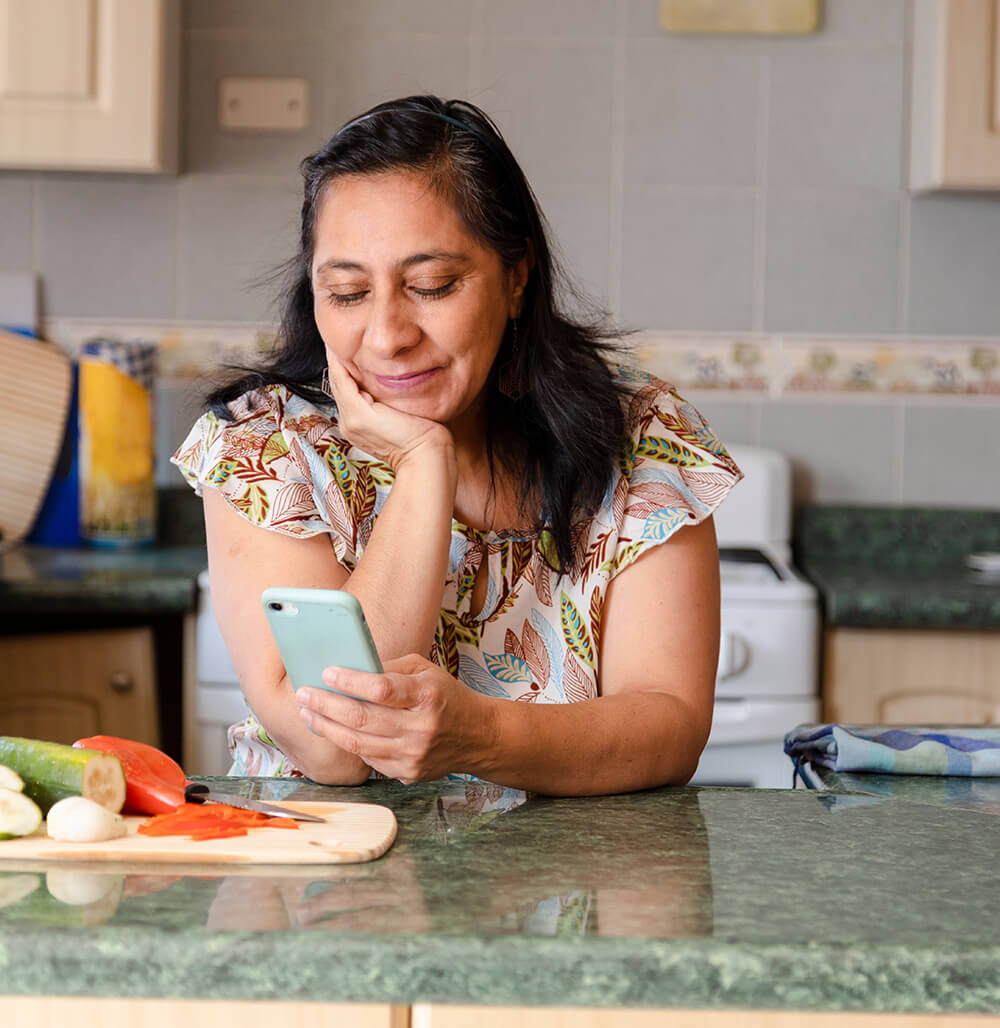
Older woman using her phone.

No one deserves to be abused.

If you answered yes to any of the above questions you may be in an unhealthy or abusive relationship. You are not alone.

If you are in immediate danger, contact our 24-Hour Hotline at 708-335-3028.

If you are safe at the moment but would like to speak with someone further you may contact our intake specialist during normal business hours at 708.794.2140.

 

A Letter from Kris Scott, CEO

On behalf of the staff and board of directors of Anew: Building Beyond Violence and Abuse, I extend our deepest condolences to the families of Shaneiqua Pugh, her seven children, and all those impacted by Sunday’s mass shooting in Shreveport, Louisiana.

In recent weeks, we have witnessed a devastating number of lives lost to domestic violence—individuals killed at the hands of intimate partners. Among them are Dr. Cerina Fairfax, wife of Virginia Lieutenant Governor Justin Fairfax; Nancy Metayer Bowen, Vice Mayor of Coral Springs, Florida; Pastor Tammy McCollum of Charlotte, North Carolina; Myneika Scott of Grovetown, Georgia; and Davonta Curtis of Chicago, Illinois. These names represent just a fraction of the lives lost. Too many stories go untold, and too many families are left grieving.

As these tragedies continue to unfold, I am reminded of the urgency of our work. Domestic violence does not discriminate—it affects individuals across all communities, backgrounds, and identities. In recent weeks, there has been heightened visibility around the murders of Black women.

According to the National Network to End Domestic Violence, 45.1% of Black women have experienced domestic violence, and more than half of Black female homicides are connected to intimate partner violence.

At Anew, we see the impact of this violence every day—and we also see the possibility for change. We provide comprehensive, wraparound services to survivors, while also investing in prevention efforts that address the root causes of abuse.

We believe accountability is essential. Through our Partner Abuse Intervention Program, we work with individuals who have used violence, helping them take responsibility for their actions while building the skills needed to create nonviolent, healthy relationships.

We also believe prevention begins early. Through our Community Education and Prevention Program, we are equipping young people—from pre-K through high school—with the knowledge and tools to build safe, respectful relationships and break cycles of harm before they begin.

This moment calls for more than awareness—it calls for action. Each of us has a role to play in creating safer communities, supporting survivors, and holding systems accountable. Everyone deserves to live a life free from abuse. I remain committed to a future where that is not an aspiration, but a reality.